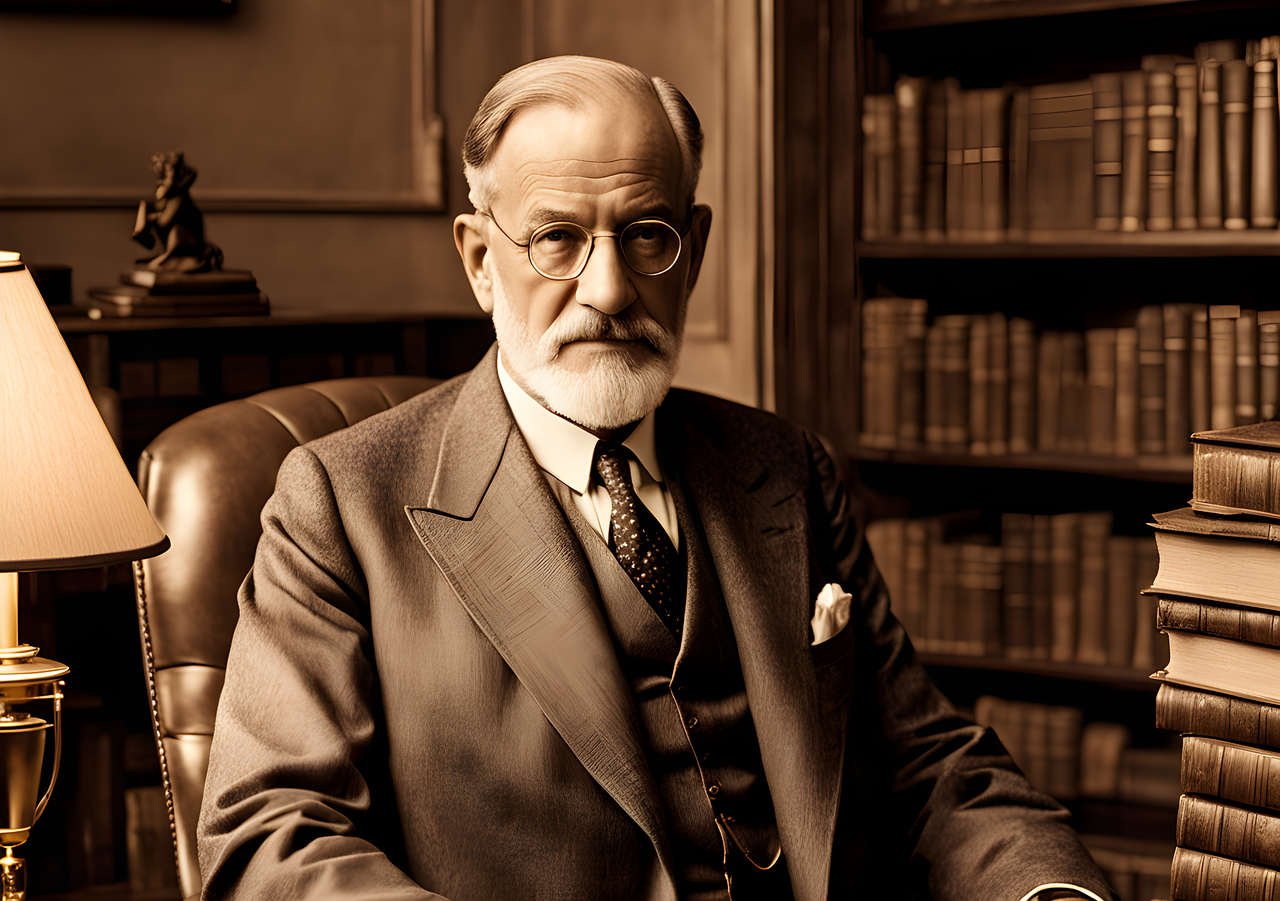
Starting therapy takes courage, but facing a wall of jargon like "CBT," "psychodynamic," or "Brainspotting" can feel overwhelming. It often creates unnecessary pressure to find the single "right" approach. The truth is, effective therapy rarely relies on a rigid, single method. Instead, an integrative approach weaves these complementary traditions together to meet you exactly where you are.
To help you get the gist of different approaches, here is a breakdown of the most popular counselling theories in chronological order:
Pioneered by Sigmund Freud and developed by theorists like Carl Jung and Donald Winnicott throughout the early-to-mid 20th century, psychodynamic therapy explores how your past shapes your present.
Developed by Albert Ellis and Aaron Beck, CBT emerged as a practical, structured alternative to long-term talk therapy.
Led by Carl Rogers (Person-Centred Therapy) and Abraham Maslow, humanistic psychology shifted focus away from diagnosing symptoms to support the whole person.
As modern neuroscience advanced, clinicians recognised that stress and trauma are often stored directly within the autonomic nervous system and subcortical brain, the areas beyond the reach of conscious talk therapy. Interventions like EMDR (Francine Shapiro, 1980s) and Brainspotting (Dr David Grand, 2003) bridge this gap.
Because no two people are identical, effective therapy rarely relies on a single rigid model. An integrative approach weaves these distinct traditions together into a cohesive, highly personalised journey tailored to your unique needs. At Lisbon Counselling together we build a safe, compassionate foundation where you feel truly heard and respected. We then learn practical CBT and somatic tools to give you actionable, real-world strategies for managing daily anxiety and distress, alongside targeted Brainspotting to gently release deeper emotional tension and trauma stored within the nervous system.
By honoring both the mind and the body, this holistic blend adapts to your natural pace, respects your story and supports meaningful, lasting growth.
Beck, J. S. (2021). Cognitive behavior therapy: Basics and beyond (3rd ed.). The Guilford Press.
Corrigan, F., & Grand, D. (2013). Brainspotting: Recruiting the midbrain for accessing and healing sensorimotor memories of traumatic activation. Medical Hypotheses, 80(6), 759–766. https://doi.org/10.1016/j.mehy.2013.03.005
Grand, D. (2013). Brainspotting: The revolutionary new therapy for rapid and effective change. Sounds True.
Rogers, C. R. (1995). On becoming a person: A therapist's view of psychotherapy. Mariner Books.
Shapiro, F. (2018). Eye movement desensitization and reprocessing (EMDR) therapy: Basic principles, protocols, and procedures (3rd ed.). The Guilford Press.
Shedler, J. (2010). The efficacy of psychodynamic psychotherapy. American Psychologist, 65(2), 98–109. https://doi.org/10.1037/a0018378
Please feel free to call me, email me or fill out this form to get in touch.
I will aim to respond within 24hrs Monday - Friday. For mental health emergencies please contact your local health centre.
In-person sessions are available by prior arrangement in central Lisbon:

Rua Alexandre Herculano 19, 1250-008 Lisboa
Nearest Metro stations: Avenida and Marquês de Pombal.


